

ERP

A Chinese multinational heavy machinery manufacturer headquartered in China is currently ranked first in the Chinese construction machinery industry and third globally. The company was facing significant challenges in scaling its cloud infrastructure to manage large-scale operations effectively. Integrating new systems with its existing infrastructure has proven overly complex, leading to inefficiencies. To address these issues, the client urgently requires a future-ready Enterprise Resource Planning (ERP) system that can support innovation and drive sustainable growth.

A government-owned power generation company aimed to optimize its SAP S/4HANA ERP system to address operational and user experience challenges. Key focus areas included functional enhancements across Project Systems, Human Capital Management, Plant Maintenance, and Finance & Controlling. The initiative also involved developing an Employee Self-Service (ESS) portal to support 85,000 users and upgrading web portals and Fiori applications to improve integration and user engagement. A comprehensive transformation roadmap was defined to modernize business processes and align IT infrastructure with strategic objectives.

A Rs. 23,500 Crores government-owned electrical/ industrial technology company was facing challenges while using the outdated SAP ECC EHP 0 version. They were facing a significant business challenge with the continued use of SAP ECC EHP 0, which poses substantial operational risks due to outdated technology and a lack of support, potentially leading to system failures and security vulnerabilities. They decided to upgrade EHP 0 to EHP 7, the existing IBM AIX platform, Oracle database, configure SAP Solution Manager 7.2, and upgrade the DR as well. The company decided to undertake a comprehensive transformation plan that included upgrading SAP ECC to EHP 7 to leverage enhanced features and ensure compatibility with future technologies, such as SAP S/4HANA.
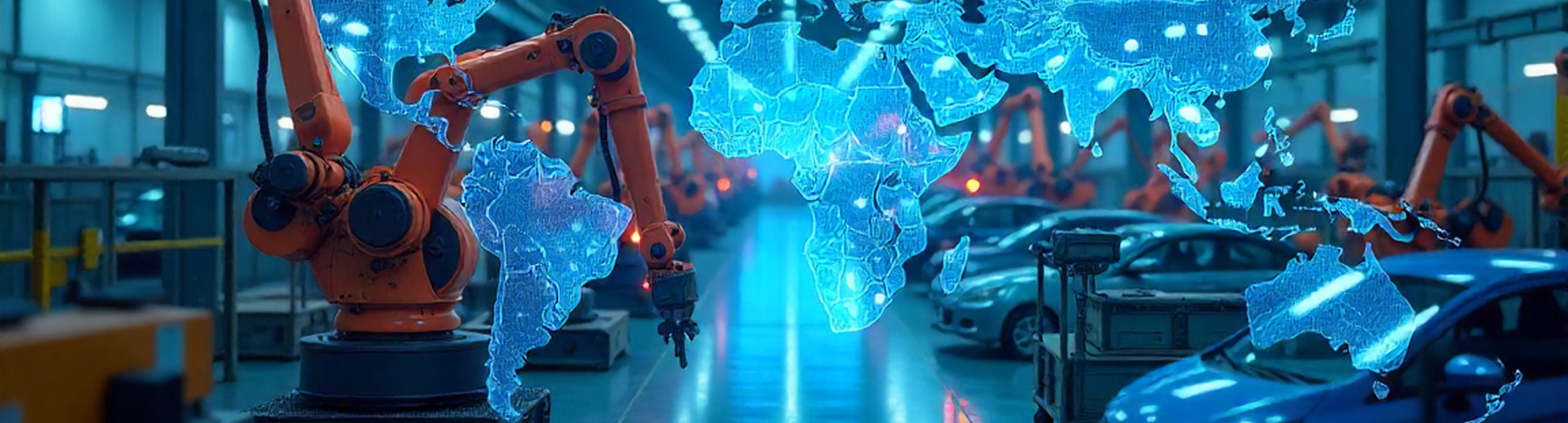
A Rs . 13,500 crore manufacturing company established in 1996, specialising in construction and industrial markets with products like glass, gypsum, insulation, and high-performance materials, faced a critical challenge due to the absence of a Disaster Recovery (DR) plan for its SAP applications. This lack of DR exposed the company to significant risks, including prolonged downtime that can disrupt essential operations and delayed production schedules. Additionally, the company was vulnerable to irreversible data loss, jeopardizing compliance and decision-making capabilities. The financial impact of such disruptions and potential reputational damage further highlighted the urgency of implementing a robust DR strategy. Addressing this issue became crucial to safeguarding business continuity, protecting critical data, and ensuring rapid recovery from unforeseen disasters.

A multinational footwear company faced critical challenges in maintaining uninterrupted operations due to outdated IT infrastructure, including SAP ECC EHP 0. The reliance on aging systems posed risks such as system failures, security vulnerabilities, and limited scalability, threatening business continuity and operational efficiency. To address these issues, the company initiated a Disaster Recovery (DR) refresh initiative to modernize its infrastructure by upgrading SAP ECC to EHP 7, optimizing its IBM AIX platform and Oracle database, integrating DR protocols seamlessly with SAP systems, and ensuring scalability to accommodate future growth. This transformation was crucial in mitigating risks, enhancing system resilience, and supporting the company’s long-term digital expansion goals.
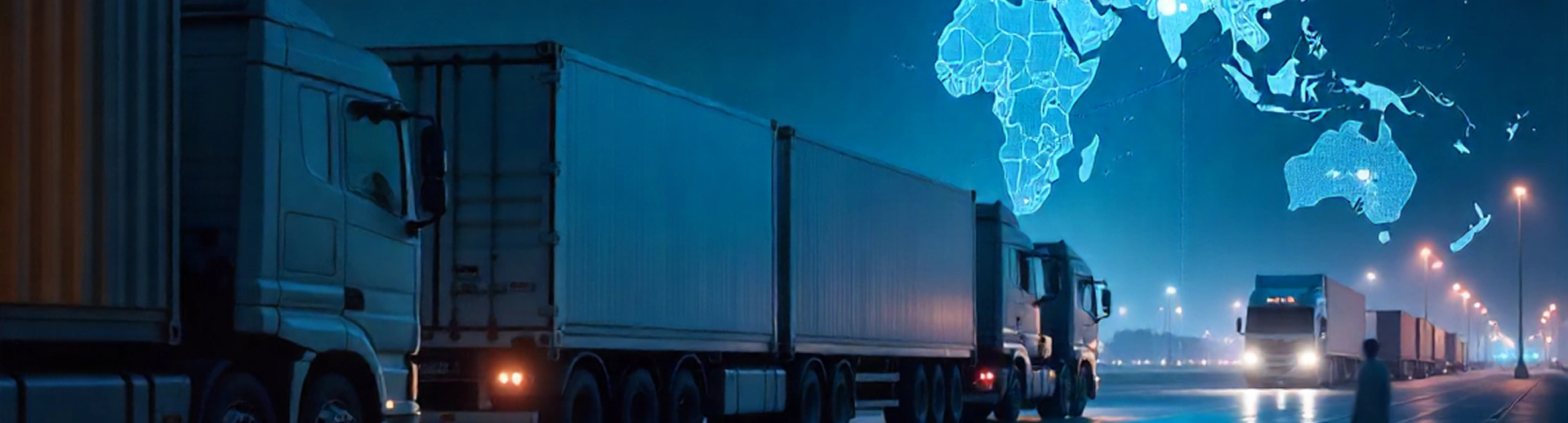
A leading transportation and logistics company with a Rs . 2,500 Crore turnover faced inefficiencies due to outdated systems and manual processes. Limited real-time insights disconnected legacy systems, high operational costs, and scalability challenges hindered decision-making, communication, and growth. To address these issues, the company required modernized systems and automation to streamline operations, enhance communication, cut costs, and enable scalable expansion.
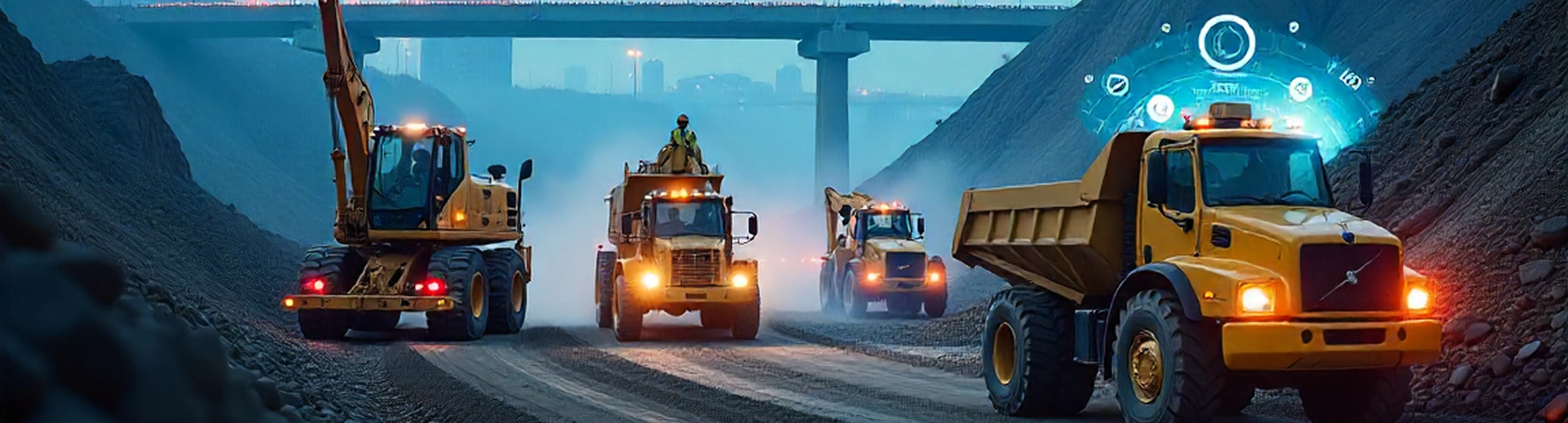
A 650 Crs construction equipment manufacturer aimed to improve its SAP ECC landscape as a leading enterprise while preparing for future developments. However, several key challenges appeared. The legacy system’s limitations decreased efficiency and hindered process automation. System performance issues affected operational stability, causing disruptions. Manual workflows slowed employee productivity, leading to inefficiencies. Additionally, concerns about future scalability required a roadmap for a smooth transition to SAP, ensuring adaptability and growth.
A leading medical technology solutions provider encountered substantial challenges in managing its growing operations. The absence of real-time analytics hindered informed decision-making, while manual and fragmented processes compromised operational efficiency. Additionally, finance, supply chain, and procurement departments operated in isolation, leading to inefficiencies. Outdated systems and security vulnerabilities also posed regulatory compliance risks. These challenges necessitated a comprehensive overhaul to streamline operations, enhance data-driven decision-making, and ensure compliance with regulatory standards.

As a leader in metal, plastic, and electronic manufacturing, the company encountered several significant challenges. Outdated systems limited flexibility and scalability, while the lack of real-time insights hindered effective decision-making. Manual inefficiencies also impacted productivity, and business functions across finance, supply chain, and procurement remained disconnected, leading to operational silos. Furthermore, the legacy IT infrastructure posed security and compliance risks, underscoring the need for modernization and integration.

A notable leading manufacturer of traditional snacks faced operational challenges such as manual inefficiencies slowing production cycles, limited data-driven insights affecting strategic decision-making, disconnected business functions across finance, procurement, and supply chain, and a lack of scalability to support future growth and market expansion. Additionally, fragmented legacy systems hindered real-time visibility into operations, making it difficult to manage demand fluctuations and inventory levels proactively. The organisation also struggled with maintaining product quality consistency and meeting evolving customer expectations in a highly competitive market landscape.
Every great solution begins with an idea – Let’s connect and turn yours to the reality with the right technology.